
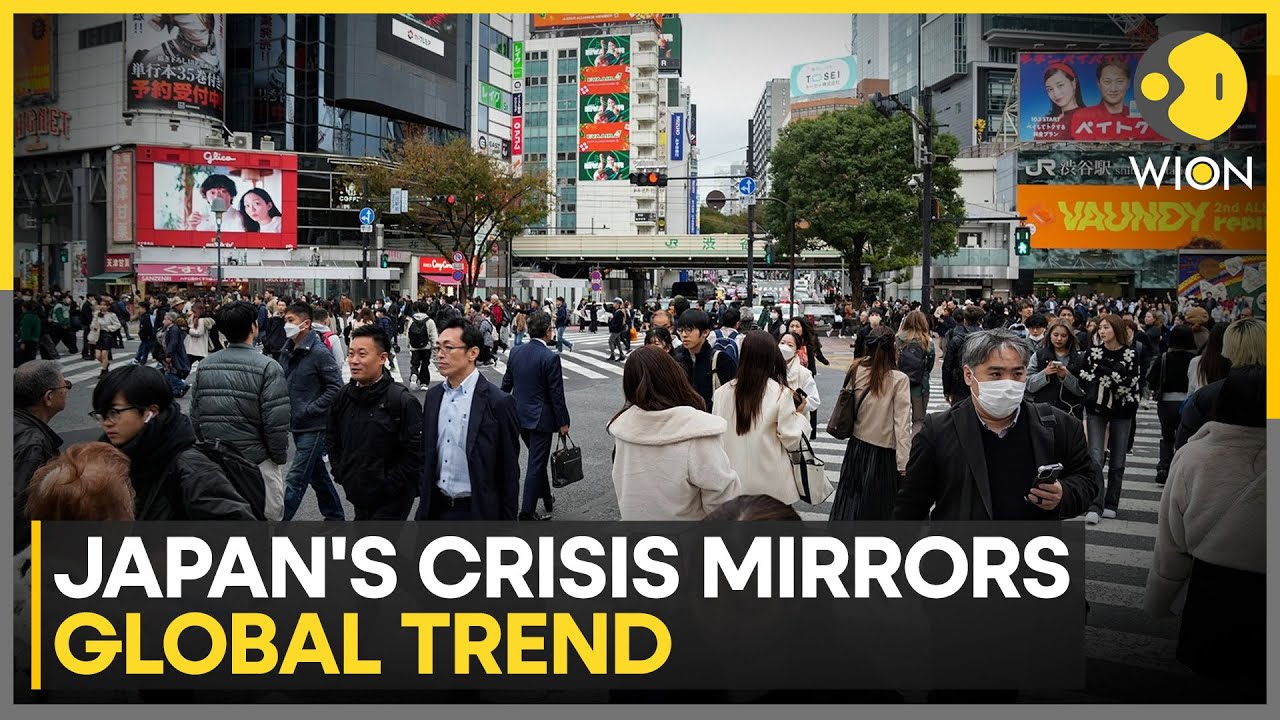
Summary
A new report from the **World Health Organization (WHO)** reveals a staggering **1 billion people** worldwide are living with mental health disorders, including prevalent conditions like **anxiety and depression**. These disorders impose immense human suffering and significant economic tolls, costing the global economy an estimated **US$1 trillion annually** due to lost productivity. While some countries have improved mental health policies, the **WHO Director-General Dr. Tedros Adhanom Ghebreyesus** emphasizes that investment and action must be urgently scaled up, treating mental healthcare as a basic right, not a privilege. The findings, published in **World mental health today** and **Mental Health Atlas 2024**, precede the **2025 United Nations High-Level Meeting on noncommunicable diseases**.
Key Takeaways
- Over 1 billion people globally live with mental health disorders, a figure demanding urgent attention.
- Anxiety and depression are the most common conditions, inflicting significant human and economic costs.
- Despite policy advancements, investment in mental health services remains critically low and unequal.
- Suicide rates are not declining fast enough to meet UN Sustainable Development Goals.
- Urgent, scaled-up investment and multi-sectoral collaboration are essential to address the crisis.
Balanced Perspective
The data from the **WHO** indicates a significant global burden of mental health disorders, with **anxiety and depression** being the most common. While policy development has seen some gains since 2020, **legal reform and enforcement** lag, with only 45% of countries having laws compliant with human rights standards. Government spending on mental health remains stagnant at **2% of total health budgets**, and vast disparities exist between high-income and low-income nations in per capita spending and workforce availability.
Optimistic View
The WHO report, while highlighting a crisis, also points to **progress in mental health policies** and a growing global dialogue. The upcoming **UN High-Level Meeting** presents a crucial opportunity for leaders to commit to increased funding and **rights-based legislation**, potentially catalyzing a much-needed transformation in how mental health is prioritized. Increased awareness and the framing of mental health as an economic investment could unlock significant resources and innovation in service delivery.
Critical View
The sheer scale of **1 billion people affected** and the current trajectory for suicide reduction (only a 12% decrease by 2030 against a **SDG target of 33%**) paint a grim picture. The **stagnation in investment** and the vast disparities in resources between wealthy and poor nations suggest that the current system is failing to meet the needs of the majority. Without a radical shift in political will and financial commitment, the crisis will only deepen, exacerbating inequalities and human suffering.
Source
Originally reported by World Health Organization (WHO)